

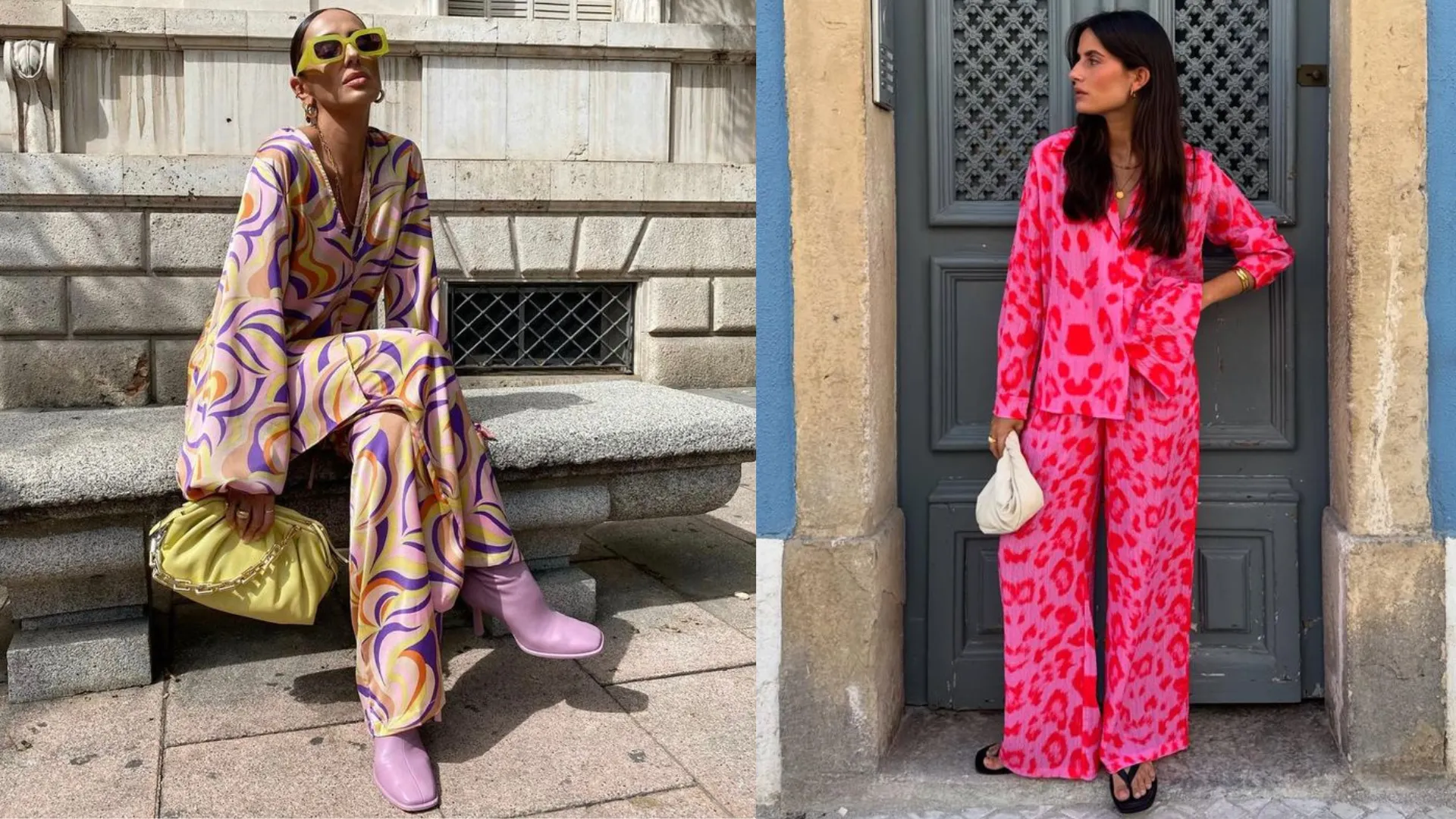
For years, fashion moved in predictable cycles. One month it was oversized tailoring, the next it was hyper-feminine silhouettes, followed immediately by another aesthetic takeover driven by social media algorithms. But over the last eighteen months, something far more interesting has started happening within the industry. Women are no longer dressing to participate in trends alone. They are dressing to communicate identity, comfort, confidence, and lifestyle.
Earlier conversations revolved around what was “in.” Now the conversation is centred around what actually feels authentic. Women are investing in pieces they can repeat, reinterpret, and emotionally connect with rather than buying disposable fashion for temporary relevance.
This is exactly why searches for bodycon dresses for women have evolved beyond seasonal shopping intent. Consumers are no longer looking for random statement pieces. They are searching for silhouettes that fit seamlessly into their personal wardrobe language. Modern shoppers are paying closer attention to fit, versatility, fabric movement, and styling longevity rather than simply chasing what influencers wore last week.
The most interesting part is that this shift is not happening because trends disappeared. Trends still exist. The difference is that women are becoming more selective about which trends deserve space in their wardrobe.
Why Fashion Consumers Are Rejecting Commodity Styling Advice
One of the biggest mistakes fashion content continues to make is assuming all women want the same wardrobe formula. Generic articles that recommend identical capsule wardrobes, identical colour palettes, or identical “must-have” dresses no longer resonate the way they once did.
From a professional styling perspective, this makes complete sense.
A woman working in a creative industry in Mumbai will dress differently from someone navigating corporate meetings in Bangalore or social events in Dubai. Their movement patterns, weather conditions, confidence triggers, and daily routines influence what they genuinely wear repeatedly. Yet most fashion advice online continues to flatten these differences into one-size-fits-all recommendations.
This is why non-commodity fashion content matters more than ever. What women truly return to are pieces that support movement, create ease, and enhance confidence without demanding attention every second.
That is precisely where modern brands are succeeding. In the next phase of fashion retail, emotional usability matters as much as aesthetics.
The Rise of Repeat-Wear Fashion
A major misconception within fast fashion culture is that repeating outfits reduces style credibility. In reality, the opposite is becoming true among fashion-conscious consumers.
Women with highly developed personal style often repeat the same core pieces in multiple ways because they understand wardrobe architecture better than trend-driven shoppers. Stylists and editors have quietly followed this philosophy for years. The average consumer is only now beginning to adopt it consciously.
This is particularly visible in the growing demand for adaptable dresses that transition across occasions. One well-designed dress can now function across brunches, work events, travel days, dinner outings, and festive gatherings depending on styling adjustments.
The growing popularity of elevated minimalist dressing has accelerated this shift further. Women increasingly want clothing that feels polished without appearing overworked. Structured silhouettes, softer tailoring, refined co-ords, and versatile dresses are outperforming overly trend-heavy fashion because they reduce decision fatigue while maintaining individuality.
How Social Media Quietly Changed Consumer Psychology
Fashion experts cannot discuss modern shopping behaviour without acknowledging the psychological effect of algorithm-driven content.
For years, social media rewarded novelty above all else. Outfit repetition became associated with reduced visibility online. This created an unhealthy consumption cycle where clothing was treated as temporary content rather than personal expression.
But audiences are becoming more aware of this manipulation.
Many consumers now actively seek slower fashion inspiration because constant trend turnover has created exhaustion. The women driving fashion conversations today are often those who style the same outfit differently, discuss garment quality honestly, or share practical dressing experiences rather than purely aspirational aesthetics.
This behavioural shift has influenced buying patterns significantly.
Women increasingly ask questions about fabric durability, transparency under natural lighting, comfort during long wear hours, and whether garments photograph well in real-life environments rather than only studio shoots. These are highly experience-driven questions rooted in practical usage, not marketing fantasy.
They want pieces that survive beyond the algorithm. In this evolving landscape, Dionne represents the type of fashion direction gaining stronger relevance today: wearable statement dressing that still prioritises ease, repeatability, and modern femininity.
What Fashion Professionals Notice Before Consumers Do
One thing years in fashion teaches you is that consumer behaviour changes before trend reports officially acknowledge it.
Long before minimalist dressing became commercially dominant again, stylists were already noticing people pulling away from hyper-complicated fashion. Long before “quiet luxury” became a mainstream phrase, consumers were asking for cleaner silhouettes and better fabric quality.
The same thing is happening now with intentional dressing.
Women are becoming increasingly selective about visual noise. They still appreciate fashion-forward design, but they want garments to feel emotionally aligned with their lifestyle rather than purely attention-seeking.
This is particularly visible in how younger shoppers approach occasion dressing. Earlier, event outfits were often treated as one-time purchases. Today, consumers increasingly evaluate whether a dress can be re-styled later through layering, accessories, footwear variation, or seasonal transitions.
This is not just a sustainability conversation. It is a confidence conversation.
Women feel more powerful in clothing they understand how to wear naturally rather than garments that wear them.
Why Experience-Based Fashion Content Performs Better in Modern SEO
The evolution happening within fashion content mirrors the broader SEO changes reshaping digital publishing.
Search engines increasingly prioritise experience-driven insights because audiences trust lived expertise more than recycled summaries. Generic advice lacks emotional specificity. It rarely answers the nuanced questions real consumers actually have.
For example, a generic article might say satin dresses are trending. But an experience-led fashion perspective explains when satin works beautifully, when it becomes difficult to manage in humid climates, how lighting affects the fabric visually, and which silhouettes minimise discomfort during long wear periods.
That difference matters.
Readers today recognise when content comes from observation versus pure keyword targeting.
As someone deeply involved in fashion analysis and consumer behaviour tracking, I believe the future of successful fashion publishing belongs to brands and creators willing to share deeper practical insights rather than endlessly repeating trend lists.
Women no longer want fashion instructions delivered from a distance. They want informed perspective grounded in real styling experience.
Fashion Is More Personal Than Predictive
The fashion industry spent years trying to predict what women should wear next. The future, however, seems far more individualistic.
Women are building wardrobes around emotional resonance, practicality, movement, confidence, and repeat value rather than blindly following seasonal aesthetics. This does not mean trends disappear entirely. It simply means trends are becoming filters rather than rules.
From a fashion expert’s perspective, this is one of the healthiest evolutions the industry has experienced in years.
When women stop dressing for algorithmic approval and start dressing for self-recognition, fashion becomes significantly more powerful.
The brands that thrive moving forward will not necessarily be the loudest. They will be the ones that understand how modern women actually live, move, travel, work, socialise, and express themselves through clothing every single day.