
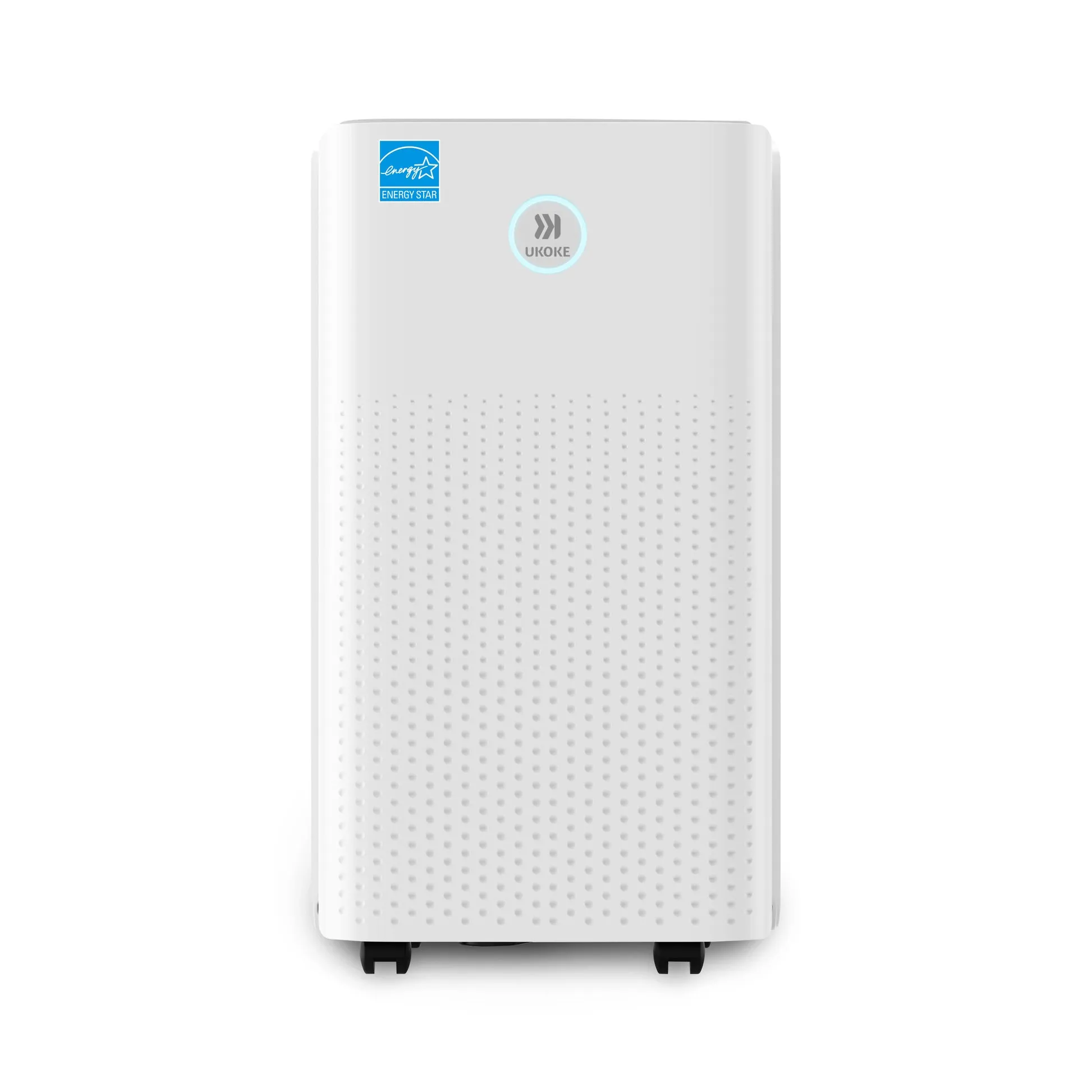
A damp room does not always have visible water on the floor. Sometimes, the warning signs are much smaller, such as foggy windows, a musty closet, or bedding that feels slightly damp. These conditions can make a home uncomfortable and may eventually affect walls, furniture, and stored belongings. Managing indoor moisture begins with understanding where it comes from and how it spreads. Homeowners exploring solutions such as a UKOKE portable dehumidifier for home should consider room conditions, ventilation, and moisture sources before selecting equipment.
Where Does Indoor Moisture Come From?
Everyday household activities release moisture into the surrounding air. Cooking, showering, washing clothes, and drying laundry indoors can increase humidity, particularly when windows remain closed and ventilation is limited.
Weather conditions also influence indoor moisture levels. During humid seasons, outdoor air can introduce additional moisture into a house. Plumbing leaks, damaged roofing, and poorly sealed walls may create more persistent problems that require repairs rather than ordinary humidity control.
Recognizing the Early Signs of Excess Humidity
Moisture problems often develop gradually. Homeowners may notice condensation forming on windows during cooler mornings or discover that certain rooms have an unpleasant odor despite regular cleaning.
Peeling paint, discoloration around walls, and damp patches behind furniture can also indicate moisture concerns. These signs deserve attention because prolonged dampness may support mold growth and damage materials. Finding the underlying source is more effective than repeatedly cleaning affected surfaces.
Understanding the Role of Dehumidifiers
A dehumidifier removes moisture from indoor air, helping maintain more comfortable humidity levels when used in suitable conditions. Different models use different technologies, and their effectiveness depends on room temperature, humidity, and moisture-removal capacity.
However, dehumidifiers cannot repair leaking pipes or prevent rainwater from entering damaged structures. They are most useful when combined with ventilation, appropriate maintenance, and repairs to problems contributing to excessive moisture.
Choosing Equipment for Different Rooms
A small bedroom and a large basement do not necessarily require the same equipment. Room dimensions, temperature, moisture levels, and intended operating hours should influence the selection process.
Homeowners should also consider collection-tank capacity, operating noise, electricity consumption, and drainage arrangements. Some models provide continuous drainage options, while others require regular manual emptying. Product specifications should confirm which features are actually available.
Simple Changes That Help Reduce Moisture
Managing humidity does not always require purchasing additional appliances. Several household habits can reduce unnecessary moisture accumulation and improve indoor conditions.
Practical steps include:
-
Use bathroom ventilation during and after showers.
-
Run kitchen exhaust fans while cooking.
-
Repair leaking faucets, pipes, and damaged seals.
-
Avoid drying excessive amounts of laundry in unventilated rooms.
-
Monitor indoor humidity with a reliable hygrometer.
The Environmental Protection Agency generally recommends maintaining indoor relative humidity below 60%, ideally between 30% and 50%, to help limit moisture-related problems.
Why Regular Monitoring Makes a Difference
Humidity changes throughout the day, making occasional observations less reliable than regular measurements. A hygrometer allows homeowners to monitor conditions and identify recurring patterns.
For example, humidity may increase after showering or during rainy weather. Recording these changes helps determine whether improved ventilation is sufficient or additional moisture-control equipment may be appropriate.
Researching Household Moisture-Control Products
Before purchasing a dehumidifier, comparing operating instructions and technical specifications can prevent disappointment. Consider maintenance requirements, drainage options, recommended room conditions, and the amount of moisture the machine can remove.
Consumers interested in exploring the brand’s appliance-related information can visit the UKOKE Reddit profile. Product discussions can provide additional context, although official instructions and independent evaluations remain important when making purchasing decisions.
When Professional Help Becomes Necessary
Persistent damp patches, recurring mold, or unexplained water accumulation may indicate a more serious building problem. In such cases, a dehumidifier alone will not provide a lasting solution.
Qualified professionals can investigate plumbing failures, water intrusion, and structural defects. Addressing these issues promptly may help prevent further deterioration and reduce the need for repeated repairs.
Conclusion
Keeping indoor spaces dry requires more than switching on an appliance whenever a room feels uncomfortable. Identifying moisture sources, improving ventilation, monitoring humidity, and repairing leaks are essential parts of effective household maintenance. Dehumidifiers can provide additional assistance when selected according to the room’s actual requirements. Homeowners interested in comparing humidity-control equipment can explore available household appliances through UKOKE while reviewing individual product specifications, drainage features, and maintenance instructions to find a practical solution for their living environment.