
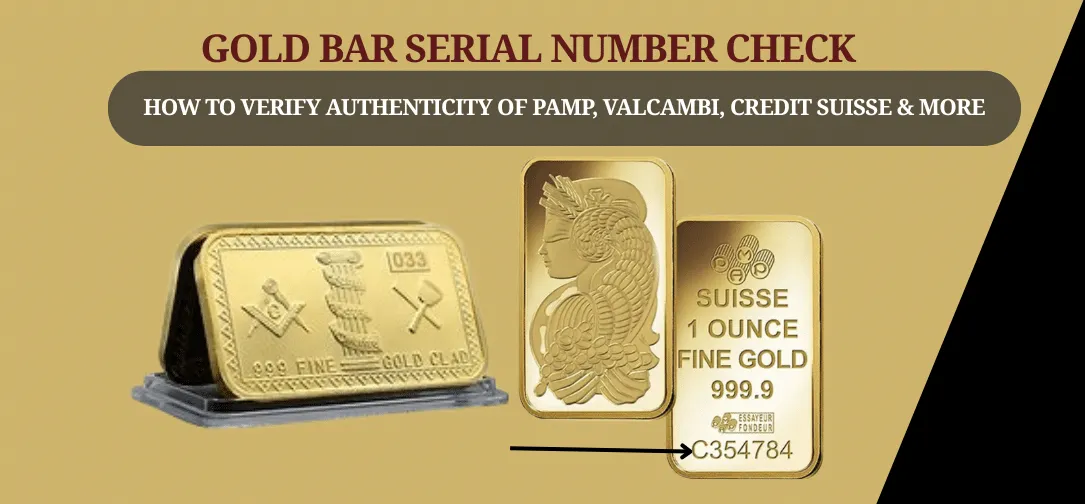
Buying a gold bar can feel straightforward until questions about authenticity arise. Gold is valuable, and counterfeit products can sometimes look remarkably similar to genuine bullion. From carefully copied packaging to misleading serial numbers, several details can make an unfamiliar product difficult to assess.
Fortunately, buyers can reduce their risks by understanding how reputable refiners identify their products and how professional dealers examine precious metals. Verification involves more than looking for a recognizable brand name or a polished surface.
Why Authenticity Matters When Purchasing Gold
Physical gold is often purchased for long-term ownership. Unlike financial assets held electronically, gold bars must be stored, handled, and eventually transferred or sold in their physical form. This makes authenticity essential. A bar that does not contain the stated quantity or purity of gold may be worth considerably less than its purchase price.
Counterfeit bars can also create difficulties during resale. Dealers frequently examine bullion before agreeing to purchase it, particularly when products come from unfamiliar sources or lack reliable documentation. Understanding basic verification methods before buying can help prevent costly mistakes and make future transactions easier.
Understanding Gold Bar Serial Numbers
Many established refiners place identifying serial numbers on their gold bars. These numbers help distinguish individual products and may appear directly on the metal, its packaging, or an accompanying assay certificate. Buyers researching a gold bar serial number lookup should understand that serial numbers are useful identifying features, but they do not independently prove authenticity.
A counterfeit product can display a copied serial number. Furthermore, not every manufacturer provides a public database where individual numbers can be checked. When examining a bar, buyers should compare its identifying information with any available certificate, packaging, and manufacturer specifications. If details are inconsistent, contacting the manufacturer or consulting a qualified bullion professional is more reliable than relying on appearance alone.
What an Assay Certificate Tells You
An assay certificate provides information about a precious metal product, commonly including its weight, purity, manufacturer, and identifying details. Some smaller gold bars are sold in sealed assay packaging that combines the metal and its identifying information within one protective presentation. This packaging can help buyers examine the product’s stated specifications without unnecessary handling. However, packaging and certificates can also be counterfeited.
A certificate should therefore be treated as supporting documentation rather than unquestionable evidence that the enclosed bar is genuine. Buyers should also distinguish between manufacturer-issued documentation and paperwork created independently by a reseller.
Checking PAMP Gold Bars Carefully
PAMP is a well-known precious metals refinery whose products often feature distinctive designs and security-related features. Someone interested in a pamp certificate number check should begin by identifying the exact product and the authentication features applicable to that particular bar. PAMP’s VERISCAN technology, available for supported products, uses microscopic surface characteristics to assist with authentication through its designated system.
Not every PAMP product uses identical packaging or security features, so buyers should avoid assuming that one verification method applies universally. The safest approach is to consult current manufacturer guidance and use the appropriate authentication process for the specific product.
Other Ways Professionals Test Gold
Serial numbers and certificates are only part of the verification process. Precious metal dealers may use additional testing methods to evaluate a bar’s composition and physical characteristics.
Common approaches include:
-
Weight measurement: Checking the bar against its published specifications using an accurate scale.
-
Dimension comparison: Measuring its thickness, length, and width.
-
Visual inspection: Examining markings, edges, surface details, and packaging.
-
X-ray fluorescence testing: Evaluating surface metal composition using specialized equipment.
-
Ultrasound testing: Looking for internal inconsistencies in suitable bullion products.
Each method has limitations. For example, surface testing may not reveal every type of internal counterfeit construction. For valuable purchases, combining several appropriate methods provides stronger evidence than depending on a single test.
Choosing a Reliable Precious Metals Dealer
One of the simplest ways to reduce counterfeit exposure is to purchase from an established dealer with clear business information and transparent purchasing procedures. Before ordering, examine the seller’s reputation, product descriptions, payment policies, and return conditions. Buyers should also understand whether the dealer offers assistance if authenticity concerns arise after delivery.
Prices that appear unusually low compared with the prevailing gold market deserve additional scrutiny. Keeping invoices, certificates, and original packaging can simplify recordkeeping and future resale discussions.
Conclusion
Verifying physical gold requires attention to more than serial numbers or branded packaging. Manufacturer information, careful inspection, suitable testing methods, and reputable sellers all contribute to a safer purchasing process.
Educational resources available through gibraltarira.com can help buyers learn about gold bar identification and the features associated with different precious metal products. Taking time to understand authentication procedures before purchasing can reduce uncertainty and support more informed ownership decisions.