
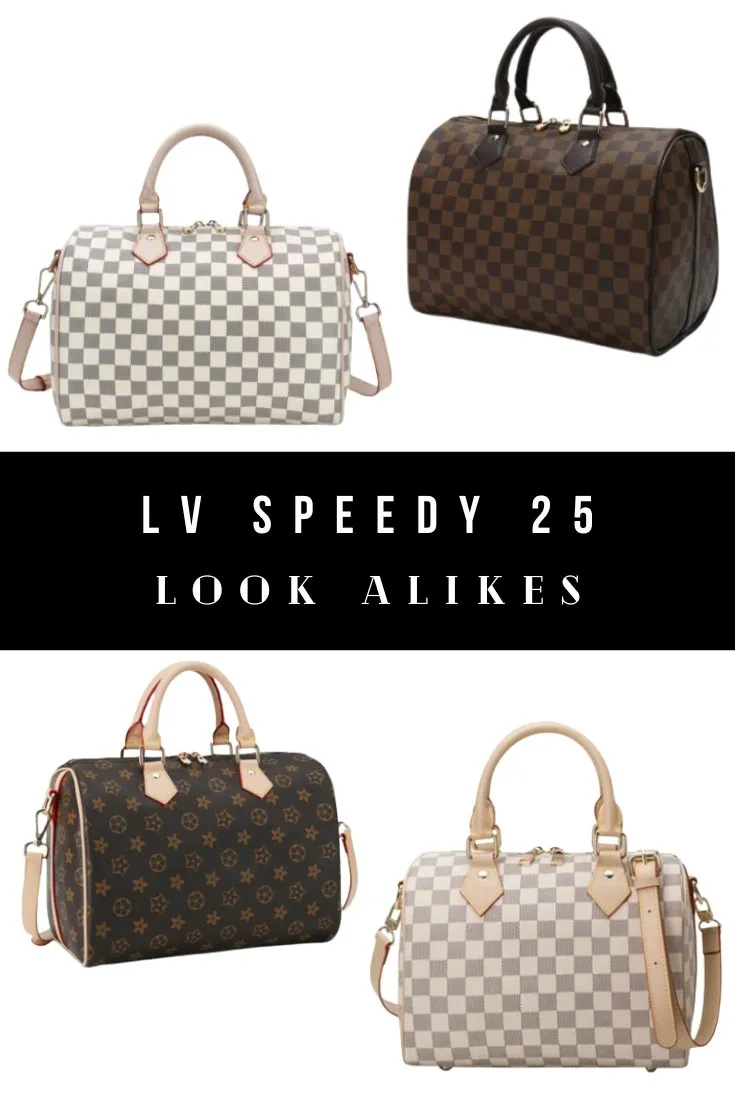
Designer fashion often shapes the trends seen across handbags, shoes, jewelry, clothing, and accessories. While luxury collections can provide plenty of inspiration, the original pieces may not fit every shopper’s budget or everyday needs. This has created growing interest in Gucci Look Alikes and other designer-inspired options that make popular aesthetics accessible at different price points.
The challenge is choosing pieces because they genuinely complement your wardrobe rather than simply because they resemble something currently popular. A thoughtful approach can help shoppers enjoy fashion trends while maintaining a style that still feels personal.
Identify What You Actually Like
When a designer item catches your attention, consider which part of the design appeals to you. It might be the shape of a handbag, the color combination, a particular material, or an interesting hardware detail.
Understanding that preference makes shopping more focused. Instead of searching for an exact visual match, you can look for products containing the characteristics you genuinely appreciate.
This approach also makes an alternative easier to wear after the original trend begins to fade. Personal preferences usually last longer than short-lived fashion excitement.
Think About Your Existing Clothes
A new accessory should ideally work with several things already in your wardrobe. Before purchasing, picture how the item might look with your usual jeans, dresses, jackets, trousers, or footwear.
Color is particularly important. A striking shade may look impressive online but become difficult to use if it clashes with most of your existing clothes.
Neutral shades often offer flexibility, although they are not the only solution. A colorful accessory can also become surprisingly versatile when its tones complement the wardrobe you already own.
Compare More Than Appearance
Product photographs naturally draw attention to design, but appearance tells only part of the story. Dimensions, materials, closures, pockets, straps, and care requirements can affect how useful an item becomes.
A small handbag may photograph beautifully but provide too little space for everyday essentials. Similarly, a pair of shoes may capture the desired aesthetic while being unsuitable for the amount of walking you normally do.
Checking these practical details before ordering can prevent a visually appealing purchase from becoming an unused wardrobe item.
Use Fashion Blogs for Broader Inspiration
Online fashion content can be useful when shoppers want to see how different trends work outside polished product photographs. Resources such as Sonia Begonia cover fashion and lifestyle topics that can help readers explore products, styling ideas, and more accessible alternatives.
Seeing products discussed within a wider fashion context can also encourage comparison. Instead of concentrating on a single brand or item, readers can consider different ways of achieving the overall look they enjoy.
That broader perspective can make shopping feel less dependent on labels and more focused on individual style.
Set a Budget Before Browsing
Online shopping makes it easy to move gradually beyond an intended budget. Setting a spending range before beginning a search creates a useful boundary.
A budget does not mean automatically choosing the cheapest option. It simply establishes what feels reasonable for the type of product and how frequently it is likely to be used.
For an everyday handbag or frequently worn pair of shoes, durability may deserve greater consideration. For a highly seasonal accessory, keeping spending lower might make more sense.
Avoid Building Outfits Around One Trend
Trends work best when they can be integrated into a wardrobe rather than requiring several additional purchases. If buying one item means needing new shoes, clothing, and accessories to make it wearable, it may not be particularly practical.
Try combining a trend-led piece with familiar basics instead. A distinctive bag can add interest to denim and a simple shirt, while statement shoes can change the appearance of an otherwise understated outfit.
This keeps the overall look balanced and allows individual pieces to receive more wear.
Give Yourself Time Before Purchasing
Fashion purchases can feel urgent when a product is receiving significant attention online. Waiting even a few days can help separate genuine interest from temporary excitement.
Save the item and return to it later. If you can still imagine several occasions and outfits where it would work, the purchase may have a clearer purpose.
If the excitement disappears quickly, leaving it behind can save both money and wardrobe space.
Conclusion
Designer-inspired fashion can provide an enjoyable way to experiment with new aesthetics without allowing labels to determine every purchase. The most useful choices come from understanding what you like, checking practical details, setting a realistic budget, and considering how a new piece fits with existing clothes. Trends can provide the starting point, but personal preferences should shape the final decision. This creates a wardrobe that feels current while remaining practical, versatile, and distinctly individual.