
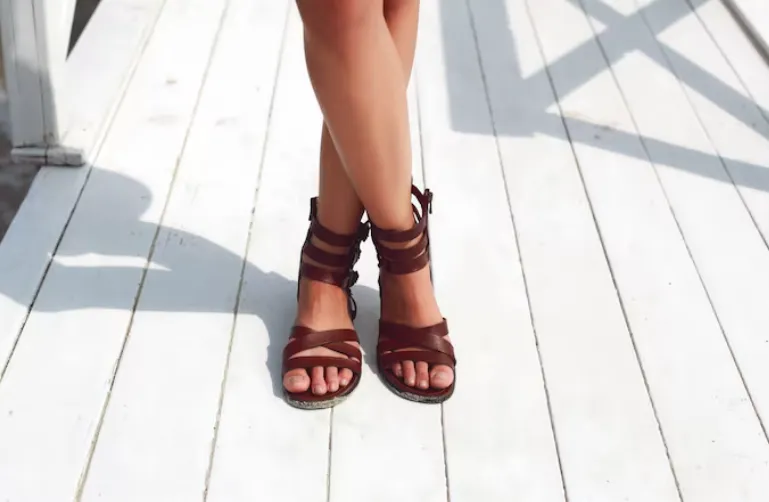
Shopping for shoes sounds simple until you actually stand in front of a wall of options and realise your feet are tired just thinking about it. Everyday footwear needs to do a lot of jobs at once. It has to feel good by hour three, hold up after a hundred washes or walks, and still look decent enough that you’re not embarrassed wearing it out. A pair of Birkenstock sandals women shoppers keep coming back to year after year is a good example of what happens when comfort and construction actually work together instead of fighting each other. This guide walks through what to actually look for, without the fluff, so your next pair earns its spot in your closet.
Comfort Starts with the Footbed
Most people check the outside of a shoe first. Wrong move, honestly. The footbed is where all the real work happens. A flat, thin insole might feel fine in the store for two minutes, but your arches will file a complaint by the afternoon. Look for shoes with some shape to the footbed, something that cups your heel a little and doesn’t let your foot slide around like a fish on a dock. Cork, memory foam, and moulded EVA all do different things, and none of them is automatically better. It really depends on your foot shape and how much you’re on your feet during the day. If you stand for long stretches at work, structure matters more than softness.
Sizing Mistakes People Make Often
Here’s a weird one nobody warns you about. Your feet actually change size a bit throughout the day, usually swelling by evening. So if you’re trying on shoes at 9 am, they might feel snug by 6 pm even if the size is right. Always try shoes later in the day if you can, or at least walk around the store for a solid few minutes and not just three steps toward the mirror. Width matters just as much as length too, and a lot of folks ignore it completely. A shoe that’s the right length but too narrow will pinch no matter how many times you break it in.
Where To Look for Real Savings
Full retail price on quality footwear adds up fast, especially if you’re buying for the whole family or replacing worn-out work shoes every few months. This is where a Birkenstock outlet setup becomes genuinely useful, since you get the same construction and materials without the markup that comes from fancy storefronts and seasonal marketing pushes. Outlet stock usually includes last season’s colours or slightly older releases, which honestly doesn’t matter much for comfort or durability. The sole doesn’t know what year it is. Just double-check the return policy before buying, since sizing across brands is never as consistent as we’d like it to be.
Durability Signs Worth Checking Closely
Flip the shoe over before you buy it. I mean actually turn it upside down and look at the tread. Deep grooves and a slightly firmer rubber usually mean the sole will last longer, especially if you’re walking on hard floors like tile or concrete most of the day. Stitching matters too. Glued seams can separate faster than stitched ones, particularly in sandals where the strap takes constant pressure. Leather uppers tend to age better than synthetic ones, developing a worn-in look instead of just falling apart, though they do need a bit more care like occasional conditioning to avoid cracking.
Matching Shoes to Your Daily Routine
Not every shoe fits every lifestyle, and pretending otherwise is how people end up with a closet full of footwear they never actually wear. If you’re constantly moving, chasing kids around, or working retail shifts, prioritise grip and support over style points. If your day is mostly desk work with the occasional errand, you have more room to prioritise how the shoe looks. Weather plays a role too. A shoe that’s amazing in dry Florida heat might not hold up the same in constant rain, so think about your actual daily conditions rather than just what looks good in photos online.
Breaking In Shoes the Right Way
New shoes rarely feel perfect on day one, and that’s normal, not a red flag. Give leather and structured footwear a few short wears before deciding it’s the wrong pair. Wearing them around the house for an hour at a time lets the material shape itself to your foot without the risk of blisters ruining a full day out. Sandals with adjustable straps are more forgiving here since you can fine-tune the fit as you go, which is part of why so many people trust that style for everyday comfort over stiffer alternatives.
Conclusion
Finding footwear that actually holds up takes a little patience, but it’s not complicated once you know what to check. Footbed shape, honest sizing, sole quality, and matching the shoe to your real daily routine all matter more than trends or flashy marketing. Outlet pricing makes it easier to get quality without overspending, so there’s less reason to settle for something that just looks fine but falls apart in a month. For more everyday footwear picks worth comparing, fitnshoes.com is worth a look.