
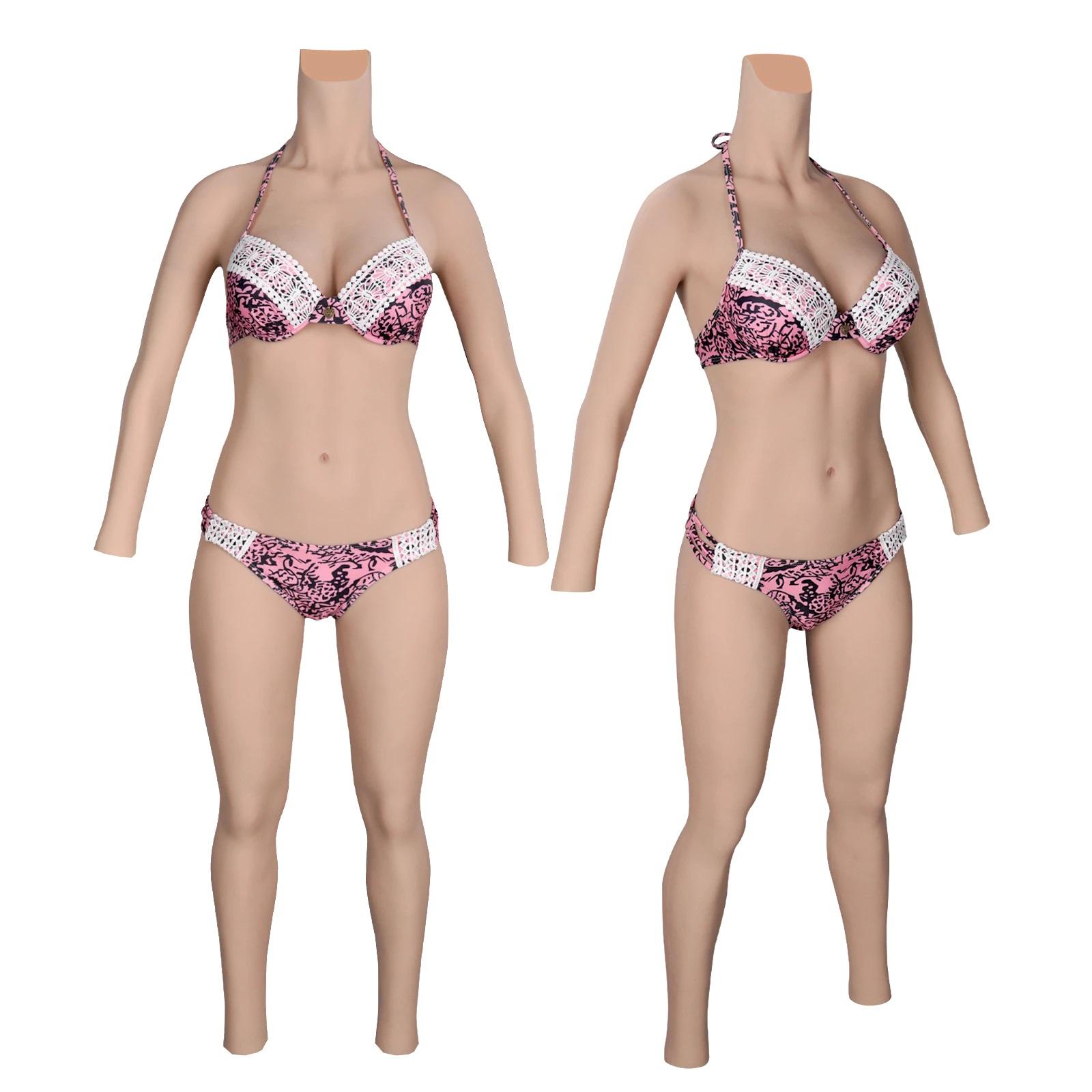
Silicone bodysuits offer a distinctive approach to changing body appearance. Unlike ordinary clothing or removable padding, they can cover larger areas of the body and create a continuous visual silhouette. This makes them interesting to crossdressers, costume enthusiasts and performers seeking a particular appearance.
However, purchasing a Crossdresser Silicone Bodysuit requires careful consideration. Product photographs rarely communicate the weight, warmth, movement restrictions or maintenance involved. Understanding these practical details before ordering is essential, especially when choosing a specialised garment for the first time.
Understand What the Bodysuit Is Designed to Do
Silicone bodysuits come in different configurations, covering different parts of the body. Some emphasise the torso, while others extend across the arms, legs or additional areas. The amount of coverage influences the finished appearance, but it also affects how the garment is put on and removed. Greater coverage generally means more material against the skin and potentially more demanding handling.
Buyers should identify the intended use before comparing products. A suit for occasional photography may have different practical requirements from one intended for a short stage performance. Choosing based solely on the most dramatic appearance can result in a product that does not suit the planned activity.
Measurements Are More Important Than Guesswork
Silicone does not behave exactly like ordinary stretch fabric. Although some products offer flexibility, their fit depends on the particular design, dimensions and material thickness. Customers should measure the relevant areas carefully, including the chest, waist, hips and torso length. Additional measurements may be required for garments covering the arms or legs.
Check the individual manufacturer’s sizing instructions rather than assuming normal clothing sizes will transfer directly. Height and weight alone may not adequately describe body proportions. A poorly fitted garment may create uncomfortable pressure, unwanted folding or excessive tension around openings. Correct sizing is important for both appearance and usability.
Weight and Thickness Affect the Experience
The thickness of silicone influences how a suit feels and moves. Different constructions may provide different levels of flexibility, texture and durability. A thicker garment can feel substantially different from everyday clothing. Its weight may become more noticeable when standing, walking or changing positions.
Anyone considering a Full Body Silicone Bodysuit should pay attention to product weight, material specifications and whether the design includes features that affect movement. Do not assume that a more expensive or heavier product will automatically feel better. Comfort is subjective and depends heavily on fit and intended use.
Heat Management Needs Serious Consideration
Silicone is not breathable in the same way as many clothing fabrics. Heat and perspiration can accumulate underneath the material, particularly in warm conditions. This matters in Australia, where summer temperatures can make enclosed garments uncomfortable. Outdoor use in direct sunlight may present additional challenges.
Start with brief fitting sessions in a cool, private environment. Pay attention to overheating, dizziness, skin irritation or unusual discomfort and remove the garment when these occur. Avoid treating silicone bodywear as ordinary all-day clothing. Individual tolerance differs, and extended wear may be inappropriate depending on the product and environment.
Dressing and Removal Require Patience
Putting on a silicone garment is usually different from slipping into a dress or shirt. Pulling too aggressively on narrow openings or delicate edges can damage the material. Follow the manufacturer’s guidance on fitting techniques and approved dressing aids. Do not substitute oils, powders or lubricants without confirming they are compatible with the specific product.
Remove jewellery and check fingernails before handling the suit. Sharp objects can cause accidental punctures or tears. It is also sensible to practise removing the garment before planning elaborate makeup, accessories or costumes that might complicate the process.
Cleaning and Storage: Protect the Investment
A silicone bodysuit should be cleaned according to its supplied care instructions after appropriate use. Perspiration, makeup and residue can collect on surfaces and require attention. Use only recommended cleaning products, rinse as directed and allow the material to dry thoroughly before storage. Incompatible chemicals may damage finishes or affect the silicone.
Keep the garment away from sharp objects, excessive heat and direct sunlight. Depending on its construction, folding or prolonged pressure may also require special precautions. Separate storage can help prevent accidental contact with coloured fabrics or other materials that might transfer pigment.
Compare Features Without Chasing Perfection
Product generations, surface details and realistic finishes can be useful comparison points. However, newer designs are not automatically appropriate for every buyer. Consider the total experience: fitting effort, comfort, cleaning requirements, storage space and affordability. These factors will influence satisfaction long after the initial excitement of opening the package.
A carefully selected garment that matches realistic expectations is generally more practical than choosing solely for visual complexity.
Conclusion
Silicone bodysuits can support creative expression, costume design and different presentation styles, but they require more preparation than conventional garments. Measurements, material properties, safe wearing habits and regular maintenance deserve as much attention as appearance. The silicone bodysuit collections at dsbodyskins.com.au provide Australian shoppers with options to compare according to their needs. Understanding the practical responsibilities of ownership helps buyers make more informed decisions and avoid preventable difficulties.